





U.S. Fighter Jets Shot Down Over Iran: Search Underway for Missing Crew Member
 April 4, 2026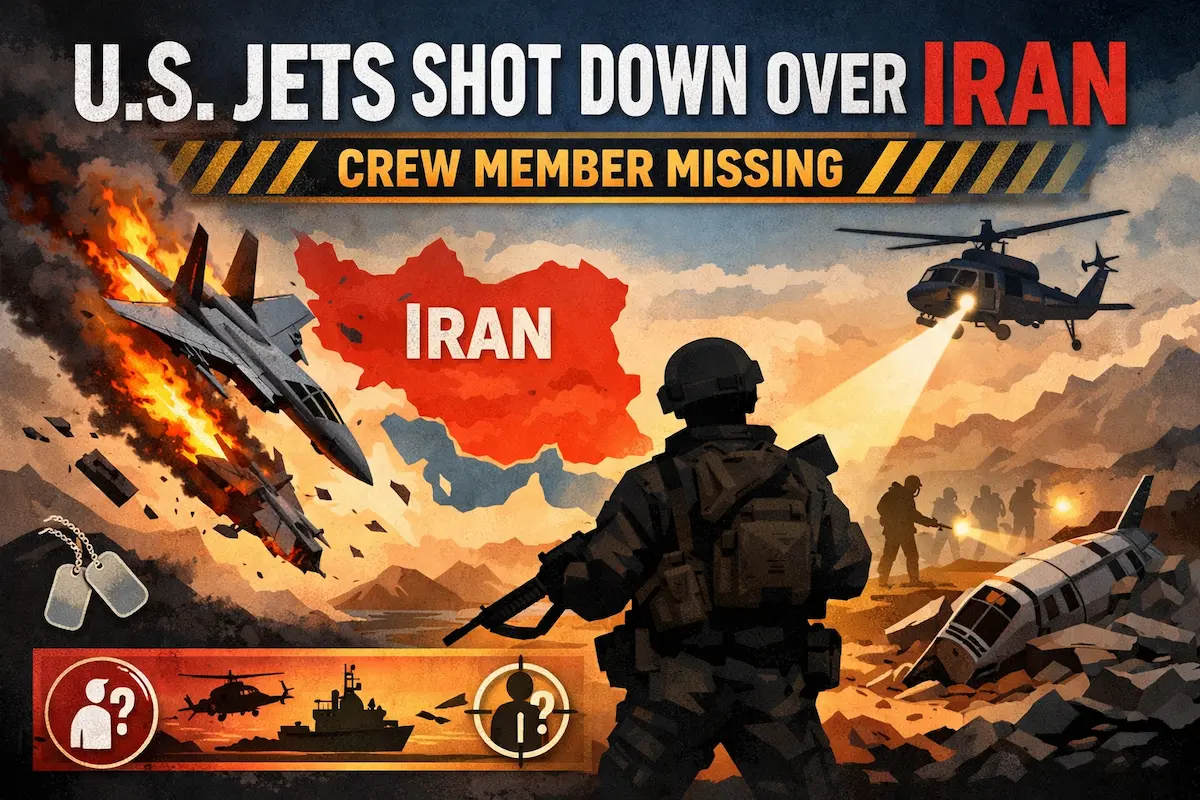
Key Contents :
U.S. Fighter Jets Shot Down Over Iran: Search Underway for Missing Crew Member
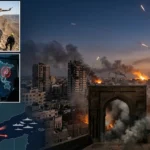
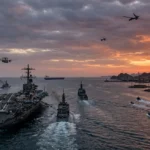
The biggest story rocking the world right now is the dramatic escalation in the ongoing U.S.-Israel war with Iran. On April 3, 2026, two American military aircraft were lost in separate incidents, marking the first confirmed downing of U.S. manned aircraft in Iranian territory since the conflict erupted on February 28.
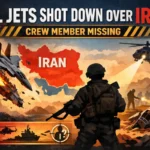
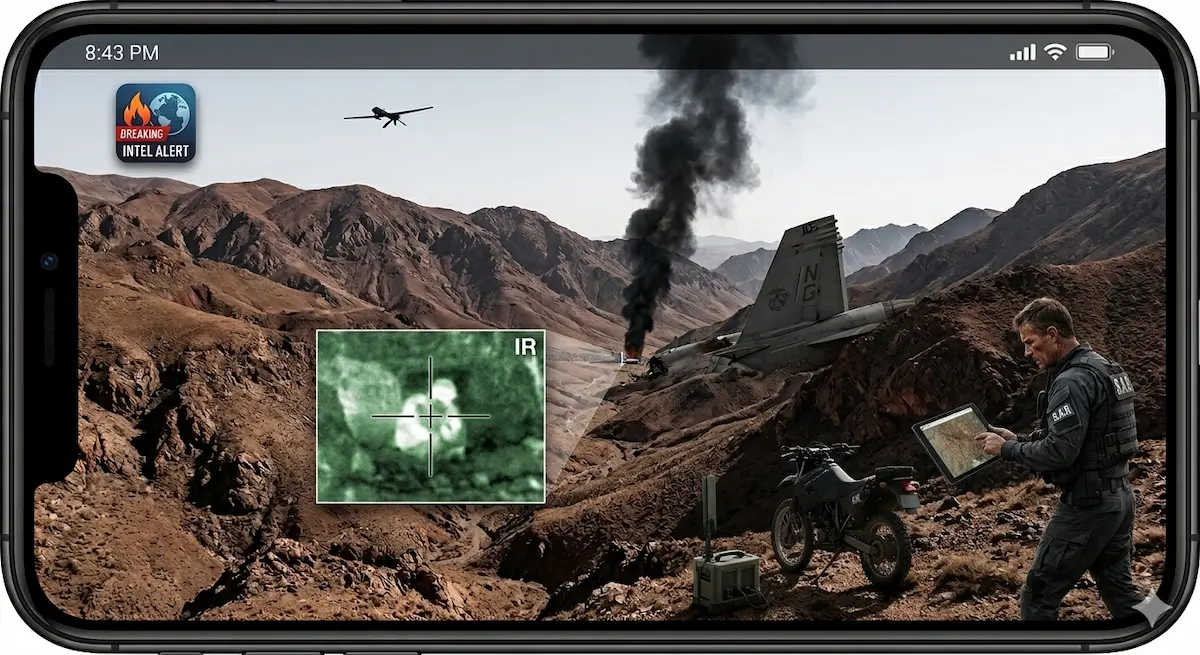
A U.S. F-15E Strike Eagle, carrying two crew members, was shot down over southwestern/central Iran by Iranian air defenses. Both crew ejected safely. U.S. forces quickly rescued one crew member, but a frantic search-and-rescue operation continues for the second aviator. Iranian state media broadcast images of wreckage, including what appears to be parts of an F-15 vertical stabilizer and an empty ejection seat. Iranian officials urged civilians to help locate “enemy pilots,” with some reports mentioning rewards or commendations for capture or elimination.
In a related incident, a single-pilot A-10 Thunderbolt II (Warthog) attack plane was struck by Iranian fire while participating in search-and-rescue efforts. The pilot ejected; the aircraft crashed in the Persian Gulf region near Kuwaiti airspace, and the pilot was recovered safely. Search-and-rescue helicopters assisting the mission also came under fire but managed to return to base, with some crew injuries reported.
U.S. officials have confirmed the losses but provided limited operational details, citing ongoing recovery efforts. This marks a significant milestone in the nearly five-week-old conflict, which has already resulted in 13 U.S. service members killed and over 300 wounded, alongside thousands of regional casualties.
Context and Reactions
The downing comes as the U.S. and Israel continue strikes on Iranian targets, including infrastructure. President Trump was briefed immediately. The White House has described the situation as active “war” but insists it will not derail broader objectives or negotiations. Iran has rejected recent U.S. ceasefire proposals and touted the shoot-down as evidence of its defensive capabilities.
Iranian media released videos showing U.S. aircraft searching for the missing crew, heightening tensions on the ground. The incident raises serious questions about Iranian air defense effectiveness and the risks to U.S. air operations in a prolonged conflict.
Global markets reacted nervously, with oil prices remaining elevated amid fears over the Strait of Hormuz—the critical chokepoint for roughly one-fifth of the world’s oil supply. Any further disruption could send energy costs soaring and trigger wider economic fallout.
This event underscores how quickly the conflict can intensify. Rescue missions in hostile airspace are inherently dangerous, and the loss of even one aircraft highlights the human and strategic costs of escalation. As search operations continue for the missing crew member, the coming hours will be critical—not just for the individuals involved, but for the trajectory of the entire Middle East crisis.
This marks the first confirmed downing of U.S. aircraft in Iranian territory since the war erupted on February 28, 2026. The conflict has already claimed 13 U.S. service members and wounded over 300, with thousands dead across the region. President Trump was briefed immediately; the White House has described the situation as “war” and insists it will not derail negotiations. Iran has rejected recent U.S. ceasefire proposals.
The situation remains fluid. U.S. forces are prioritizing the safe recovery of personnel while maintaining pressure on Iranian military targets. Diplomatic channels are active behind the scenes, though public rhetoric from both sides remains firm.
For full details, readers can refer to verified reporting from major outlets:
- Reuters: US fighter jet shot down over Iran
- CNN coverage of the incident
- NBC News on the second aircraft
Follow Worldwire for latest updates .Ongoing US-Iran Conflict: The Dominant Global Story as of April 3, 2026