




Ongoing US-Iran Conflict: The Dominant Global Story as of April 3, 2026
 April 3, 2026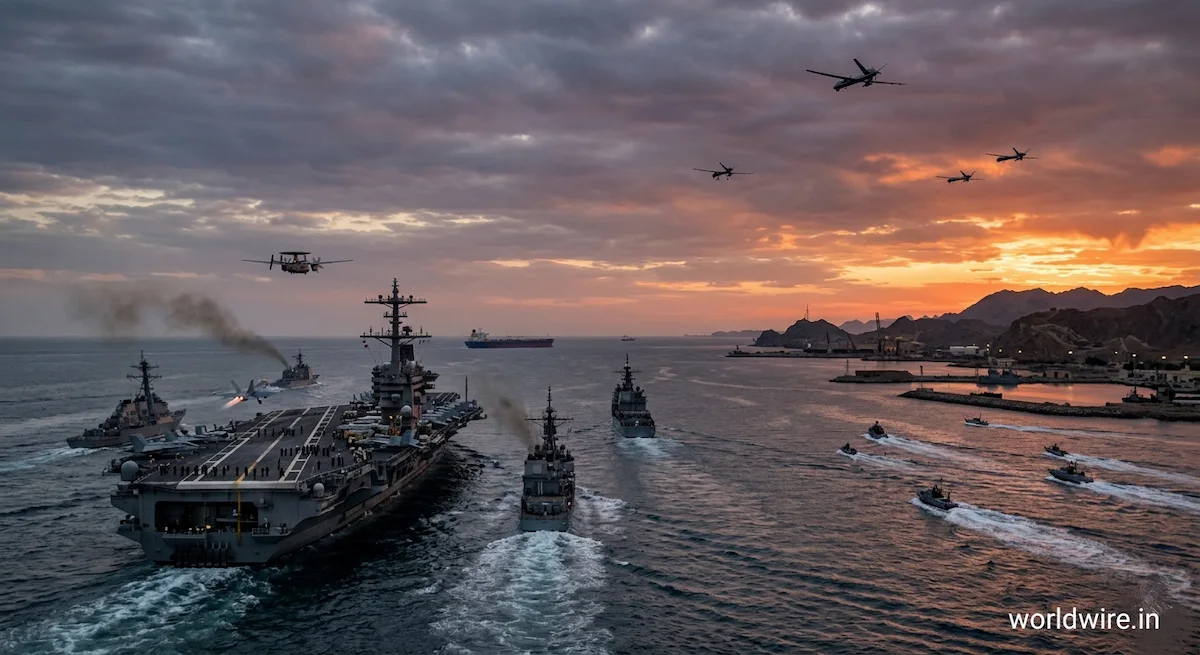
Key Contents :
Ongoing US-Iran Conflict: The Dominant Global Story as of April 3, 2026
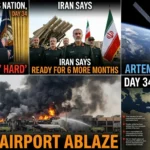
The US-Iran war, now in its fifth week (or around day 33-35 of intensified US-Israeli operations), continues as the leading international crisis. Joint US and Israeli strikes target Iranian military infrastructure, while Iran retaliates with missiles and drones against Israel and Gulf states. President Donald Trump has signaled the conflict could wind down in “two to three weeks” without needing a formal deal, yet he warns of escalated destruction ahead. Civilian casualties mount, oil markets remain volatile due to threats around the Strait of Hormuz, and domestic US leadership changes add layers of complexity.
Military Developments and Strikes
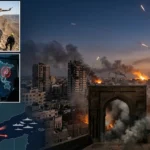
US and Israeli forces have conducted thousands of airstrikes since late February 2026, focusing on Iranian missile sites, air defenses, drone facilities, and infrastructure. Recent actions include the dramatic collapse of Iran’s B1 bridge near Tehran (also called the Karaj bridge in Alborz province), a major transportation link that was still under construction or recently opened. Trump shared video footage of the strike on social media, promising “much more to follow,” including potential hits on electric power plants. Iran reported at least eight deaths and dozens wounded in the bridge attack.
CENTCOM has released footage showing strikes on drones, tanks, and missile launchers. Explosions rocked central Iran, including the Esfahan region (Baharestan area), a key industrial and transport hub. Iranian officials claim their military capabilities remain largely intact despite the barrage. Casualty figures vary: Iranian sources and reports cite over 2,000 killed and 26,500 wounded from US-Israeli attacks, though verification is challenging amid the fog of war.
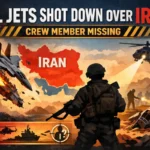
Iran has responded aggressively. It launched missiles and drones toward Israel, with interceptions reported over Gulf states including Bahrain, UAE, and Saudi Arabia. Kuwait dealt with fires at an airport and oil-related sites after attacks. Tehran threatens “crushing, broader and more destructive” retaliation, including targeting US technology firms or escalating if ground troops are deployed. Some reports mention Iranian claims of downing US assets, though these remain unconfirmed by Washington.
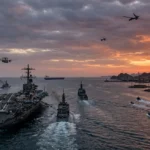
The Pentagon continues high-tempo operations, with B-52 bombers involved. Defense Secretary Pete Hegseth described the approach as “negotiating with bombs,” emphasizing decisive days ahead. Speculation persists about potential ground operations or Marine deployments, though Trump has sent mixed signals on escalation versus de-escalation.
Trump’s Statements and Strategic Outlook
President Trump has been vocal on Truth Social and in planned addresses. He claims Iran’s “new regime leadership” understands the need for quick change and that the US military “hasn’t even started destroying what’s left in Iran.” Trump stated the war could conclude in two to three weeks, with no deal required from Tehran, provided strategic objectives (such as neutralizing nuclear threats and missile capabilities) are met. He set deadlines for reopening the Strait of Hormuz and warned of severe consequences, including strikes on energy infrastructure, if unmet.
Iranian Foreign Minister Abbas Araghchi expressed zero trust in US negotiations, denying active talks or ceasefire requests from Tehran. Iranian President Masoud Pezeshkian urged the American public to question the war’s necessity. The State Department maintains Iran was “continually” pursuing nuclear weapons, justifying the campaign.
Allies like the UAE have discussed plans to help secure the Strait of Hormuz by force if needed. Trump told allies to “get your own oil” amid supply concerns.
Economic and Regional Impact
The conflict has disrupted global energy flows. The Strait of Hormuz — a chokepoint for about 20% of world oil and LNG — sees sharply reduced traffic due to Iranian threats and attacks on vessels. Oil prices have surged (Brent up over 50% since the war began in some assessments), with risks of further spikes to $100+ or even $200 per barrel in worst-case scenarios involving damage to Iranian export facilities like Kharg Island.
Gulf states face direct hits: fires at Kuwaiti facilities, downed missiles over multiple countries, and embassy closures or evacuations. The US advised Americans to leave Iraq over terror threats. Broader ripple effects include higher fuel costs, surcharges (e.g., Amazon’s reported fees for sellers), and inflationary pressures on energy-importing nations in Asia and Europe. Shipping insurance and rerouting add costs.
Humanitarian concerns grow. Strikes have hit civilian areas, including reports of damage to universities, pharmaceutical facilities, and pastures. Lebanon reports over 1,300 deaths from related Israeli operations. Cultural and heritage sites face risks.
US Domestic Shifts Amid the War
The conflict coincides with significant Pentagon and Justice Department changes. Defense Secretary Pete Hegseth ousted US Army Chief of Staff Gen. Randy George and at least two other senior officers (including leaders from Transformation and Training Command and the Chaplain Corps). This is part of over a dozen senior military personnel changes under Hegseth, raising questions about readiness and alignment during active warfare. No official reason was given for George’s removal, though it has sparked frustration among Army leadership.
Separately, President Trump fired Attorney General Pam Bondi, replacing her on an interim basis with Deputy AG Todd Blanche. Reports link the move to frustrations over the handling of Jeffrey Epstein files and perceived slow progress on prosecuting political rivals. The decision drew bipartisan criticism and highlighted internal administration dynamics.
Broader Context and Risks
The war erupted in late February 2026 after failed diplomacy over Iran’s nuclear program, ballistic missiles, and regional proxy activities. Initial strikes numbered in the hundreds within hours, targeting military assets. Iran denies seeking nuclear weapons but vows strong defense.
Analysts compare risks to prolonged conflicts like Vietnam, with fears of wider regional involvement or US ground troops. Iran has targeted US bases and allies indirectly, while the US maintains focus on degrading capabilities without full invasion so far.
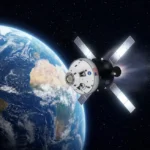
Meanwhile, unrelated positive news continues: NASA’s Artemis II mission successfully launched on April 1, 2026, with the crewed Orion spacecraft completing a key trans-lunar injection burn and heading toward a lunar flyby — the first humans beyond low-Earth orbit since 1972.
The situation remains highly fluid. Casualties, diplomatic backchannels, and market reactions evolve hourly. Trump is expected to deliver further remarks, while Iran signals no immediate capitulation.
This conflict underscores the fragility of Middle East stability, global energy dependence, and the challenges of great-power deterrence in the 2020s. For real-time updates, refer to live coverage from major outlets.
Follow worldwire for latest updates.